


In the last few pieces we have been following a thread through the Iron Tree, Belfast, and the painful spell of us versus them. We looked at how Extractionocracy runs on that spell and how easy it is to stay locked in the fight. We also turned inward with Mister Rogers and asked a harder question. Before we can heal us versus them in the world, can we grow a quiet kind of love and steadiness inside ourselves.
This time I want to widen the aperture again. Instead of one neighborhood or one childhood living room, we are going to look at the whole human family.
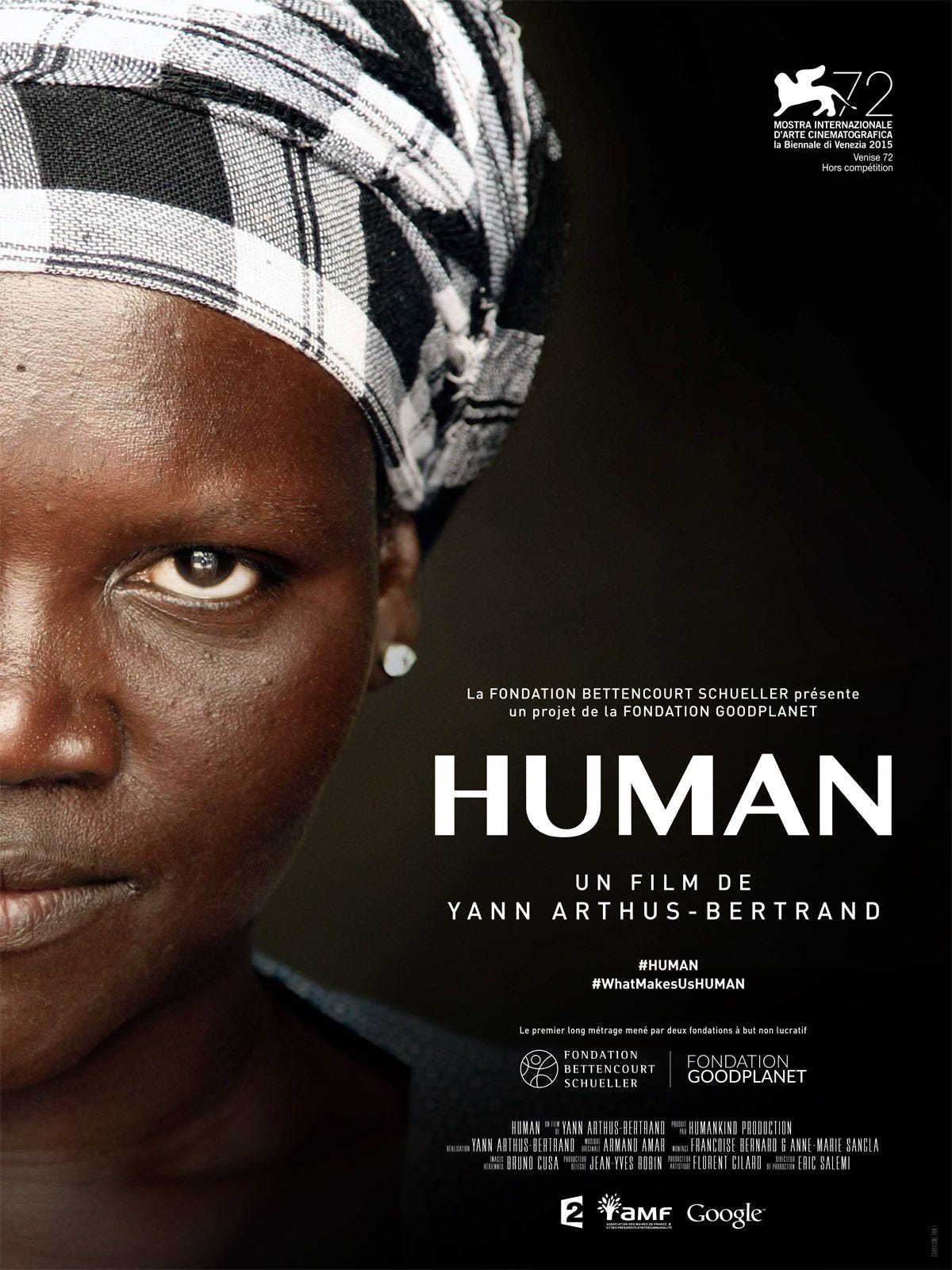
The film Human (2015) does something very simple that we are not used to. It invites people from more than sixty countries to sit in front of a camera and answer the same basic questions about love, work, fear, joy, poverty, war, and meaning. No graphics. No soundtrack trying to tell you what to feel. Just human beings, one after another, looking straight into the lens.
This matters for the us vs. them work we have been doing. In an Extractionocracy world it is easy to believe that they are fundamentally different from us. Different countries, different politics, different religions, different income brackets. As you take in Human, that story slowly starts to fall apart. You begin to see that them is us in different circumstances. The same grief and love. The same hunger for safety and belonging. The same questions about why we are here, all of it playing out on the same beautiful blue planet we share.
Why This Might Be Worth Your Time
If you are already exhausted by outrage and still find yourself pulled into us versus them, this AMP session is for you. It is not about winning a debate. It is about changing what your nervous system does when you look at another human being.
As you take in Human with this AMP frame, you may notice a few quiet shifts.
You may feel a little less hatred toward people you have been taught to fear or despise.
You may find it easier to stay present to hard stories without going numb.
You may catch yourself seeing strangers, neighbors, and even opponents as part of the same human family.
You may feel a steadier compassion that keeps your boundaries and loosens constant judgment.
None of this happens all at once. This is practice. But for many people, even the first honest encounter with a film like Human can soften the us versus them reflex in a way that is hard to forget.
Extractionocracy and the Price Tag on Every Life
In Extractionocracy the first question about any human being is not “Who are you” but “What are you worth.” Every person becomes a line on a spreadsheet, a potential boost or drag on growth. If you can help keep the growth line moving up, you are seen as useful. If you cannot, or you cannot keep up with the growth rate that markets demand, you are treated as a cost. When growth becomes uncertain or profits dip, the first lever is often to cut jobs. Overnight, thousands of human lives are upended, not because the work no longer matters, but because removing those humans sends a comforting signal to markets or makes a merger look cleaner on paper.
Human quietly reminds us that before any of that, there is a person.
Across three hours, Human moves through love, work, poverty, war, forgiveness, sexuality, family, education, corruption, and the search for meaning. People from more than sixty countries look into the camera and answer the same questions. Face by face, voice by voice, you start to realize how universal our longings are. We may be separated by language, politics, and income, but the human questions are the same.
Remembering What We All Deserve
Over the years of living with Human, the next steps of this AMP session kept revealing themselves. First came the film itself, then the research, then the long process of writing and refining the statements, and the hardest part of all, letting the resonance work on me. I never knew where it was going next, but I always recognized the next step when it arrived. Again and again I returned to one simple truth. Every human being deserves dignity and safety.
At one point in this session we work with belief statements drawn from the Universal Declaration of Human Rights. We turned parts of the UDHR into resonant statements so they are not just ideas on a page, but something your body and heart can respond to. These sentences were written as aspirations for the human family. The more we let them land in our bodies, the less they feel like distant ideals and the more they begin to feel self evident.
This is why I include the UDHR in the session. I want myself and others to resonate with these aspirations again. Every time one more person lets these words feel true, it creates a small social ripple. Over time those ripples add up. The idea that every human life has equal dignity stops being an abstract principle and starts to feel like the most natural thing in the world, especially when we remember we are all sharing the same blue planet.
Recipocracy, the future I keep trying to point to, would have to start from something much simpler and much more radical. The idea that every human life carries the same dignity. No exceptions.
This AMP session is not about memorizing articles from a United Nations document. Although I encourage you read them. It is about letting those words wake up something that is already inside you. A quiet knowing that all humans are worthy of love, and that your thoughts, words, and actions can either support that truth or work against it.
Intimacy as a Skill We Have to Relearn
What struck me most watching Human again is how intimate it feels.
Each story brings you close to a person you have never met. You see every line in their face. You hear the catch in their voice. There is no character arc to distract you, no laugh track to soften the moment. There is just a human being and a camera. We are not used to that kind of closeness.
In a culture trained on speed and judgment, getting that close to other humans can feel uncomfortable. You might notice yourself wanting to look away. You might feel a strange mix of tenderness and defensiveness. Part of you may want to reach out and another part may want to protect itself.
I have come to believe that closeness is a skill we have to relearn. How do we get to loving people if we are not comfortable being close and honest and a little vulnerable with them, especially when their pain or difference feels like too much.
This is one of the reasons I keep building AMP sessions like this one. They give us a safe way to practice being with other humans, to let their stories touch us without collapsing or shutting down. Over time, that practice starts to soften the us versus them reflex and make intimacy feel a little less threatening.
In a future AMP session I want to go even closer to this question of intimacy and our fear of being close to one another. I will share more of my own experience with learning to be close, and the challenges I still feel today. For now, Human is the practice field. It gives us three hours of honest, vulnerable faces to sit with while we notice what happens in our own hearts.
Let Go
These Let Go statements clear some of the patterns that keep us locked in distance and othering. These and many others are included in this AMP session. You can speak them quietly or aloud and simply notice what stirs.
I let go of my habit of closing people out as the other when I do not understand them.
I let go of using my own suffering as a reason to shut down my heart.
I let go of the belief that my life is separate from the rest of humanity.
I let go of the urge to turn away when I see pain in others.
Even a small softening in your chest or your breath is meaningful. This is not about forcing anything. It is about giving yourself permission to loosen the grip of old habits.
Allow
These Allow statements invite in the qualities that Human and this AMP session are designed to strengthen.
I allow the compassion that is already within me to awaken more fully.
I allow my heart to widen so that I can feel my connection to all of humanity.
I allow my own pain to become a bridge to understanding the pain of others.
I allow my thoughts, words, and actions to contribute in some way to more happiness and freedom for all beings.
This is not pretending that everything is fine. It is a quiet choice to let your nervous system experience a different way of relating, even for a moment. That is how new wiring begins.
Experience the AMP Session Human Yourself
If you would like to experience the resonance of this AMP session, you can begin with this simple Intention Session. It helps align your body, mind, and emotions so you receive the full benefit of the resonance. You only need to do this once before you watch the film. If you have already completed an Intention Session, it carries over for all of the AMP movies I talk about, so you do not need to repeat it.
Step 1: Speak these aloud
I allow the changes in my timing and only integrate what I am ready to.
I have faith that I will receive the benefits I desire.
I am patient with myself as I make my changes.
I let go of feeling I am too busy to take the time for this.
I let go of needing to understand how AMP works and allow myself to receive the full benefits in my own timing.
Step 2: Engage three simple modalities
Nod your head yes.
Drink some water.
Take several slow, rhythmic breaths through your nose.
Then simply watch Human all the way through. Do not force insights. Just notice what stirs. Notice where you feel close and where you want to pull away. Notice who feels like us and who still feels like them.
Trust that the resonance will do its work gently, in your own timing, with grace and ease.
Why This Film Still Moves Me
I have created more than eight hundred AMP sessions. I have watched a lot of films with a lot of depth. I do not know another movie like Human. It teaches this wisdom with a quiet grace and beauty.
I still remember Leonard, the first interview the film opens with. As he spoke, I began to weep. I did not experience him as a stranger to be judged. I felt like I was listening to a brother who had made a terrible mistake and was still a human being. In that moment I did not find myself wanting to be against him. I wanted to be for what was still alive and good in him. The compassion I felt was not an intellectual decision. It moved through me as a physical response.
I know I am not alone in this next part. For many people it can feel easier to open their hearts to someone from another country than to a fellow citizen who voted in a way they dislike. It feels safer to practice compassion at a distance. I have felt some of that in the past too, especially before the pandemic pushed me to get to know my own neighbors more intentionally. Now I feel much closer to the people on my street, even when we do not see the world the same way. That is part of why Human feels so important to me. It gets us outside of our usual fight and back into the heart of being human, so that bringing that kind of seeing home to our own country and communities becomes more possible.
That is the kind of shift this film can invite when we let it in. It does not excuse harm. It simply refuses to let us forget the humanity of the person who caused it. This is the kind of social contagion I believe we need. Not more outrage, but more people who have actually felt that them is us in different circumstances.
If all this session does is leave you a little less certain about who they are and a little more aware that you are part of a much larger human family, that is already a meaningful shift.
My hope is that this AMP session helps that realization spread. Quietly. One nervous system at a time. One human at a time. Until the words of the Universal Declaration of Human Rights are not something we yearn for out there, but something we recognize in here as already true.
When enough of us begin to feel that way, unwinding us versus them stops being an idea and starts to become a lived possibility.